
Multifamily owners and operators
You need to protect the physical asset and keep NOI intact without funding everything in a single year.
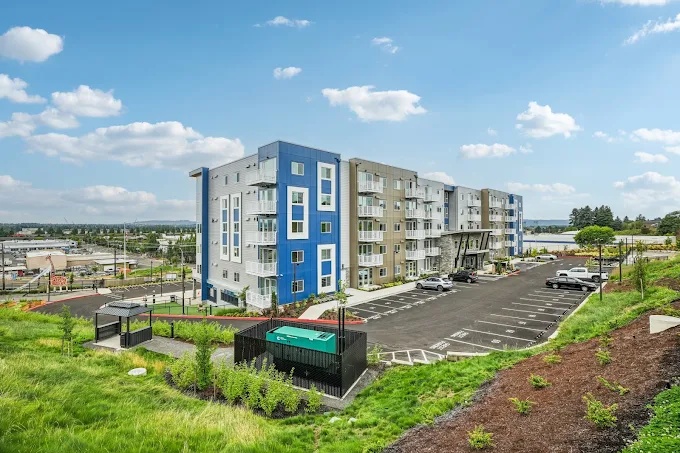
Capital Improvements
Leeway helps multifamily and commercial owners identify what the building actually needs, put it in priority order, phase it across budget years, and then execute it with one accountable team.
Roofs, envelopes, decks, stairs, walkways, and parking surfaces all fail slowly and then all at once. By the time a component is obviously broken, the repair has usually turned into a replacement — and often taken framing or finishes with it.
We start with condition. Building by building, component by component, we document what is in good shape, what needs monitoring, what needs attention soon, and what is critical. That becomes a prioritized plan with real numbers instead of a wish list.
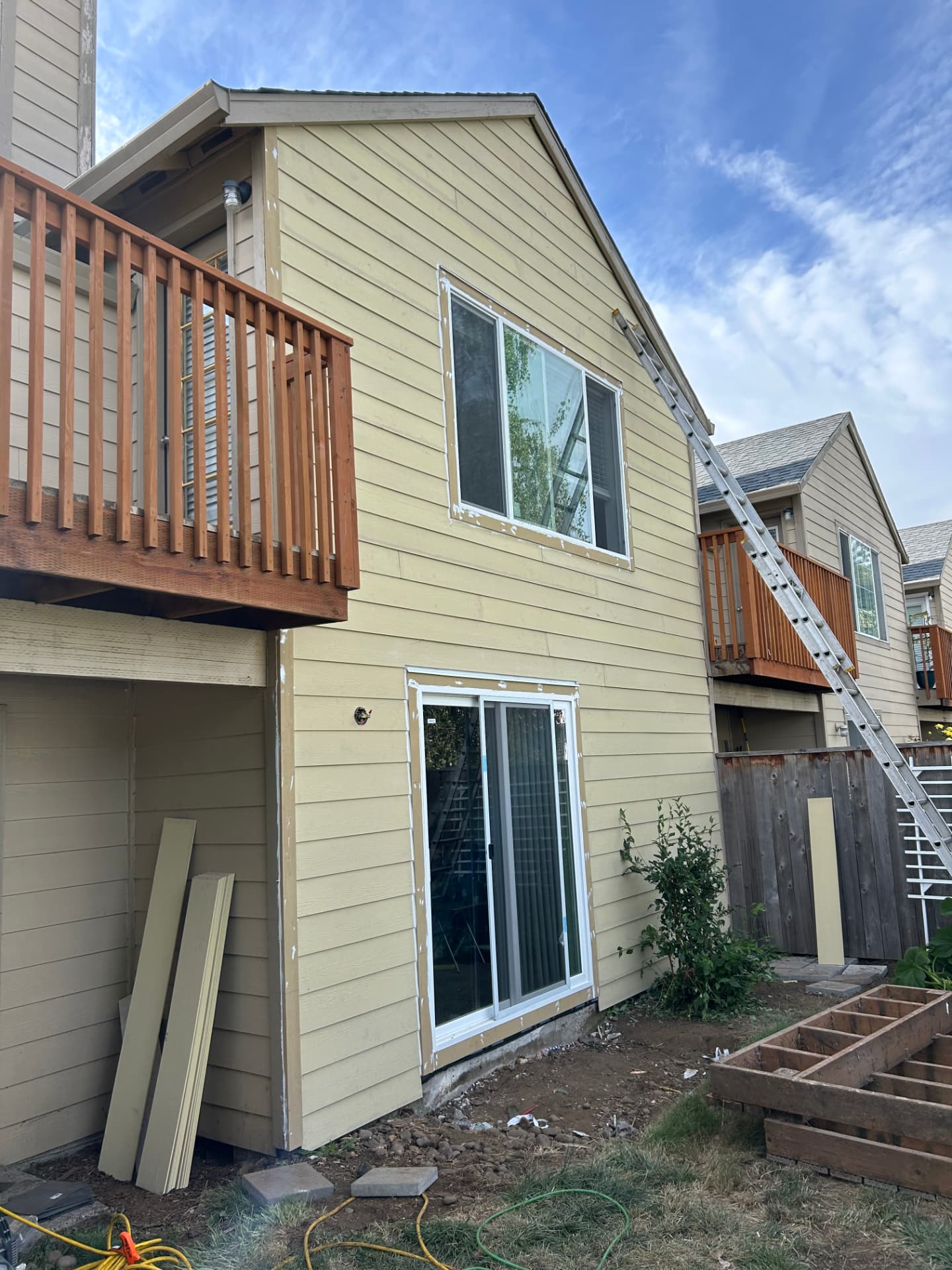
From there we execute. Roofing, siding and envelope, structural repair, decks and stairs, concrete and asphalt, mechanical and plumbing upgrades, and common-area repositioning — phased so the property keeps operating and ownership can fund the work sensibly.
Who this is for
You need to protect the physical asset and keep NOI intact without funding everything in a single year.
You need a defensible capital plan — documented conditions, priority tiers, and costs you can take to ownership or a lender.
Whether it is due diligence on an acquisition or a post-close improvement plan, you need an honest read on what the building will cost you.
Roofs, parking lots, envelopes, and building systems on commercial assets get the same condition-first approach.
Scope of work
Why owners choose Leeway
Work is ranked by what the building needs — critical, priority, monitor, good — not by what is easiest to sell you.
Scope is documented before pricing so the number you take to ownership is the number the project runs on.
Building-by-building sequencing keeps residents housed, parking usable, and leasing running through the program.
Roofing, carpentry, concrete, paint, and plumbing coordinated by one partner instead of five separate vendors and no owner.
How it works
We inspect each building, photograph and rate conditions, and note what is failing versus what is aging normally.
Findings are grouped into immediate attention, soon, and this-year tiers with the reasoning behind each call.
We price the scopes and lay them out across budget years so ownership can approve the work in fundable pieces.
Work is scheduled, managed, documented, and closed out with warranties and records for the property file.
CapEx basics
A capital improvement is work that replaces, upgrades, or extends the life of a major part of the property — a roof, siding, decks, paving, or a renovation program. It is usually planned and budgeted separately from day-to-day operations.
How a cost is classified for accounting or tax purposes is a question for your accountant.
Maintenance keeps existing components working: repairs, service calls, and turns. CapEx replaces or improves those components. The two are connected — good maintenance records are often how a capital need is spotted early.
Roof replacement, siding and exterior paint programs, deck, balcony, and stair rebuilds, dry rot repair, concrete and asphalt work, and interior or common-area renovation programs.
Assess condition, set priorities and budget, develop the scope, coordinate bids, then execute with oversight and finish with a punch list and closeout documents. Leeway can perform the work, oversee it, or both.
FAQ
Yes. We walk the property, document conditions by building and component, classify urgency, and give you a prioritized plan you can phase across budget years.
Life safety and active water intrusion come first, then components where deferring costs materially more later, then items that affect leasing and resident experience.
That is the normal case. We break the plan into immediate, near-term, and this-year-or-next tiers so ownership can fund it without a single painful number.
Both. Carpentry, drywall, paint, flooring, siding, and general repairs are largely self-performed. Specialty scopes are subcontracted to vetted trades we manage and inspect directly.
Portfolio programs are sequenced so crews move property to property efficiently, with consistent scopes and one reporting format across all of them.
We also serve as owner's representative on capital projects being built by others — scope review, bid leveling, schedule enforcement, and change-order scrutiny on your behalf.
Tell us about the asset and the scope. We'll walk the site, define the work, and come back with a budget you can underwrite.